Ventilator training is a necessary ability for health care professionals, especially nurses, breathing specialists, and emergency medical workers. As the demand for ventilator support increases, specifically in vital care setups, thorough training programs are becoming progressively crucial. In this post, we will explore whatever from the basics of ventilator operation to advanced air flow techniques. By the end of this journey with ventilator training, you'll not just comprehend how to use a ventilator successfully however additionally be geared up with the expertise required for airway administration and ventilation.
Understanding Ventilator Basics
Have a peek hereWhat is Ventilator Support?
Ventilator assistance describes the mechanical aid given to people that are incapable to take a breath adequately by themselves. This support can be life-saving and is vital in handling problems like intense respiratory distress syndrome (ARDS), chronic obstructive lung disease (COPD), and pneumonia.
Why is Ventilator Educating Important?
As medical care advances, so does the intricacy of individual treatment. Ventilators are innovative makers that require operators to understand different settings of ventilation, setups adjustments, and individual tracking. Appropriate training guarantees person safety and security and reliable monitoring of respiratory failure.
Basic Ventilator Course Overview
A basic ventilator course commonly covers fundamental ideas such as:
- Anatomy of the breathing system Types of ventilators Basic settings: tidal volume, price, and pressure support Understanding alarms and fixing typical issues
These fundamental aspects are essential for anybody entering the field or refreshing their knowledge.
Types of Ventilation Techniques
Invasive vs. Non-invasive Ventilation
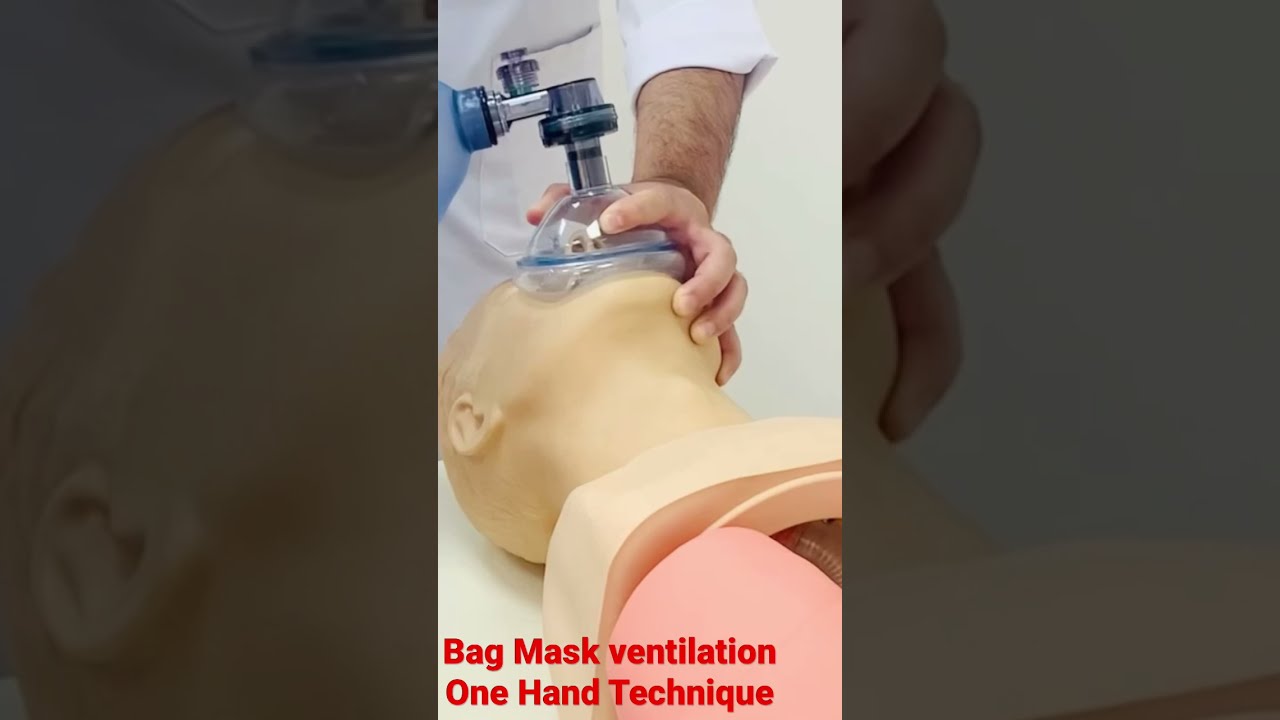
Invasive ventilation includes placing an endotracheal tube right into an individual's airway, while non-invasive air flow makes use of masks or nasal prongs. Recognizing these distinctions aids doctor choose the appropriate approach based on person needs.
Modes of Mechanical Ventilation
Mechanical ventilators can run in numerous settings, including:
- Assist-Control (AC): The machine gives breaths at an established price however allows people to launch additional breaths. Synchronized Recurring Required Air flow (SIMV): The machine provides a combination of necessary breaths and enables spontaneous breathing. Pressure Support Ventilation (PSV): The ventilator aids each breath started by the person approximately a predetermined stress level.
Knowing when to utilize each setting is crucial for effective ventilation management.
Ventilation Training Programs Available
Overview of Ventilation Training Programs
Numerous organizations offer ventilation training courses focused on various degrees of expertise:
Basic ventilator training courses concentrate on beginner users. Advanced training courses delve into intricate scenarios involving ARDS and tracheostomy considerations. Specialized courses target particular areas like pediatrics or emergency medicine.Choosing the appropriate program is important for profession growth and client care proficiency.
NDIS Ventilation Training Courses
For medical care employees engaging with clients under Australia's National Disability Insurance Plan (NDIS), specialized NDIS ventilation training programs give customized education regarding special needs related to impairment services.
Hands-on Experience: Practical Abilities in Ventilator Training
Simulation-Based Knowing Opportunities
Many education programs integrate simulation-based discovering where participants practice real-life scenarios using high-fidelity mannequins or virtual reality systems. This hands-on experience enhances comprehension and develops confidence.
Tracheostomy and Ventilator Training Integration
Understanding both tracheostomy treatment and mechanical ventilation is crucial because many individuals with extended breathing failing may call for a tracheostomy tube for airway monitoring. Integrated training programs cover both facets thoroughly.
Advanced Methods in Airway Administration and Ventilation
Advanced Modes of Mechanical Support
Once you're comfortable with standard modes of air flow, it's time to study innovative methods such as:
- Volume-targeted ventilation Adaptive support ventilation High-frequency oscillatory ventilation
These techniques need deeper understanding but can dramatically boost individual outcomes when made use of appropriately.
Ventilator Stress Support Explained
One essential concept in sophisticated strategies is comprehending ventilator stress assistance-- the pressure aid offered throughout spontaneous breaths. It's vital for lowering the job of breathing while guaranteeing ample oxygenation.
Monitoring People on Mechanical Ventilation
Key Specifications in Person Monitoring
Monitoring clients on mechanical ventilation includes evaluating numerous parameters:

Continuous surveillance enables fast intervention if complications arise.
Recognizing Alarm systems: What They Mean?
Understanding different alarm signals from a ventilator-- such as high-pressure alarm systems or reduced tidal quantity alarms-- helps medical professionals respond immediately to potential problems impacting individual safety.

Troubleshooting Common Issues Throughout Air Flow Training
What Happens When Alarms Sound?
When alarms activate throughout mechanical air flow, it might suggest troubles ranging from circuit leaks to client interferences. Quick assessment skills are essential for resolving these scenarios efficiently.
Common Scientific Scenarios & Solutions
Examples include:
- Patient discomfort as a result of improper settings. Alarms indicating hypoxia or hypercapnia. Methods ought to concentrate on recognizing origin before executing services quickly.
The Function of Team effort in Respiratory Tract Monitoring and Ventilation
Interdisciplinary Cooperation Essentials
Effective airway management usually needs team effort amongst various health experts-- registered nurses, respiratory therapists, physicians-- to make sure extensive care delivery approaches are utilized harmoniously throughout vital situations.
Case Researches Demonstrating Group Dynamics
Analyzing case studies where effective collaboration resulted in boosted patient results stresses the value of communication abilities together with technological proficiency ventilation training in airway monitoring and air flow contexts.
FAQs Regarding Ventilator Training
What is covered in a standard ventilator course?- A basic ventilator training course normally includes composition review, types of ventilators, fundamental setups modifications, alarm actions, and fixing skills.
- Most courses range from someday for basic training to a number of weeks for innovative programs relying on content depth.
- Yes! Many credible programs incorporate simulation-based exercise with mannequins or unique devices for experiential learning.
- Generally talking, participants should have completed a fundamental program or have relevant scientific experience before participating in advanced sessions.
- Absolutely! Many organizations currently use on the internet components that incorporate both theoretical understanding as well as sensible applications through online simulations.
- If you work within Australia's NDIS framework specifically focusing on people with impairments needing assisted breathing modern technologies; this specialized program addresses one-of-a-kind factors to consider relevantly customized in the direction of that group's needs effectively!
Conclusion
Ventilator training includes a large variety of expertise-- from standard functional principles with intricate treatment approaches-- all vital for doctor dealing with critically unwell patients requiring mechanical support group successfully took care of throughout their remain within critical care unit or past! By pursuing thorough education and learning-- including hands-on experiences-- you'll not just improve your abilities yet contribute meaningfully in the direction of improving overall client end results throughout varied scientific scenarios came across daily! Welcome this trip; start today!
With attentive effort concentrated on mastering both fundamental principles along with advanced methodologies provided throughout "From Fundamentals To Advanced Techniques: Your Trip Through Ventilator Training," specialists establish confidence making use of different kinds needed managing air passages properly while making certain ideal levels preserved consistently throughout therapies carried out daily! Don't hesitate-- start your exploration now!